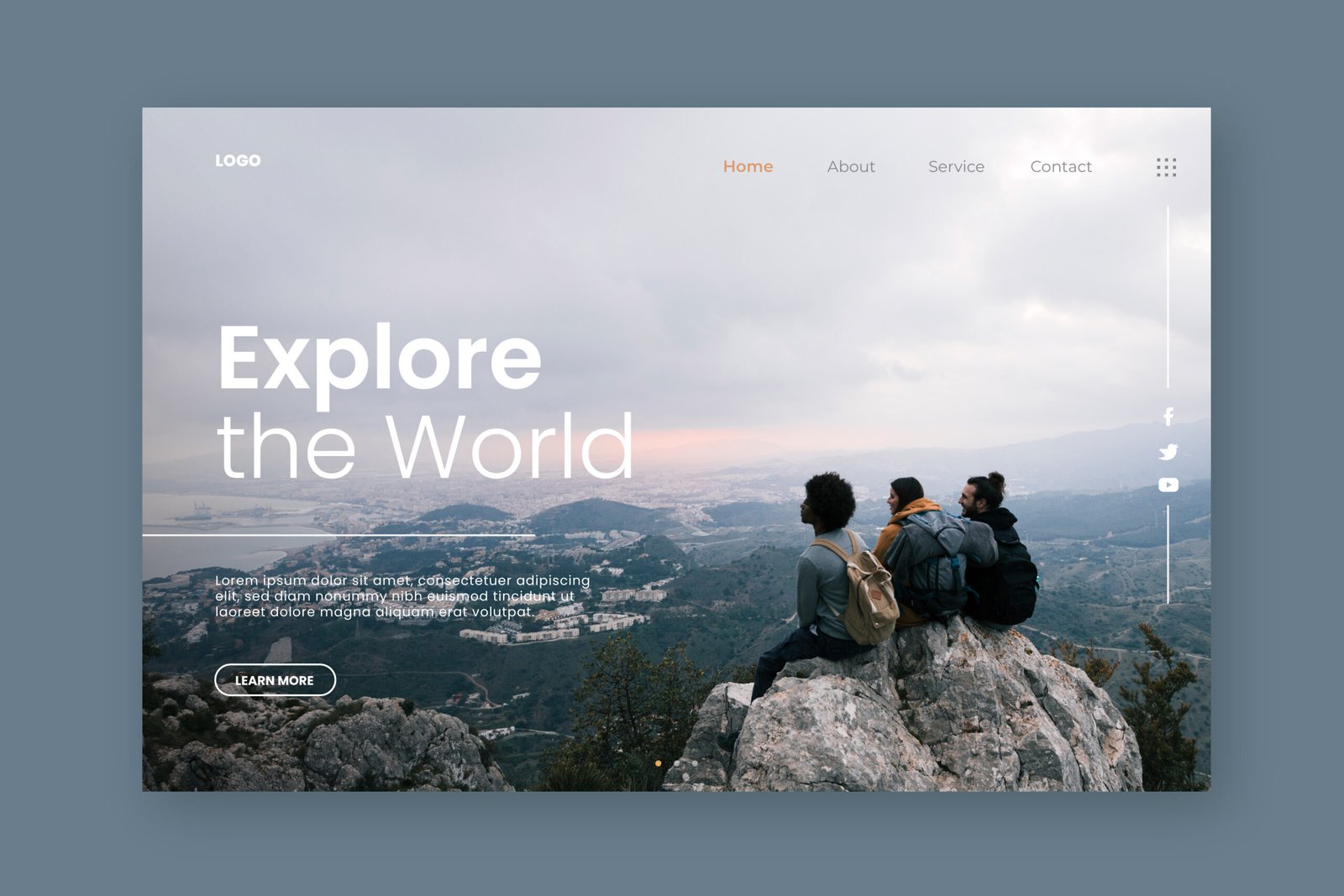
Many service businesses invest time and money into building a professional website, then send all traffic to the homepage and hope visitors will figure out what to do next. That approach often leaves leads on the table.
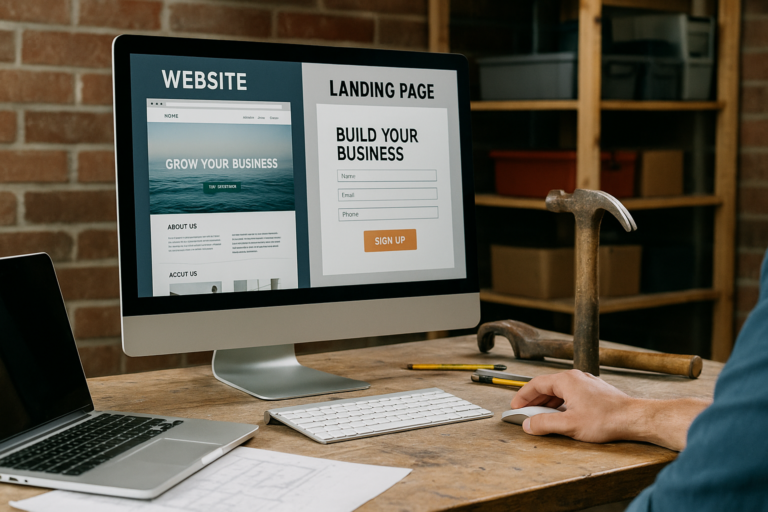
A main website and a dedicated landing page do not serve the same purpose. A website is designed to inform, represent the brand, and help people explore. A landing page is designed to guide one specific type of visitor toward one specific action. When used correctly, landing pages for service businesses can improve clarity, reduce friction, and create a more effective path from click to inquiry.
This matters even more when traffic comes from paid ads, local campaigns, email promotions, or seasonal offers. Visitors who click on a focused message expect to land on a page that continues that same message. If they arrive on a general website instead, they may have to search for the right service, location, or offer. Every extra step creates an opportunity to leave.
For service companies that rely on calls, quote requests, consultations, bookings, or form submissions, a dedicated lead generation landing page is not just a marketing extra. It is often a practical tool for turning interest into action.
A website and a landing page have different jobs
A standard business website usually includes many goals at once. It may explain services, introduce the company, show a portfolio, answer common questions, publish blog content, support SEO, and provide contact details. All of that is useful. It builds trust and gives prospective customers a complete picture of the business.
But because a website is built for multiple audiences and multiple goals, it is not always the best destination for campaign traffic.
A landing page is more focused. It is typically built around:
- One service or offer
- One audience segment
- One geographic area, if relevant
- One traffic source
- One call to action
That focus is what makes it effective. Instead of asking visitors to navigate a full website, a landing page helps them take the next step quickly and confidently.
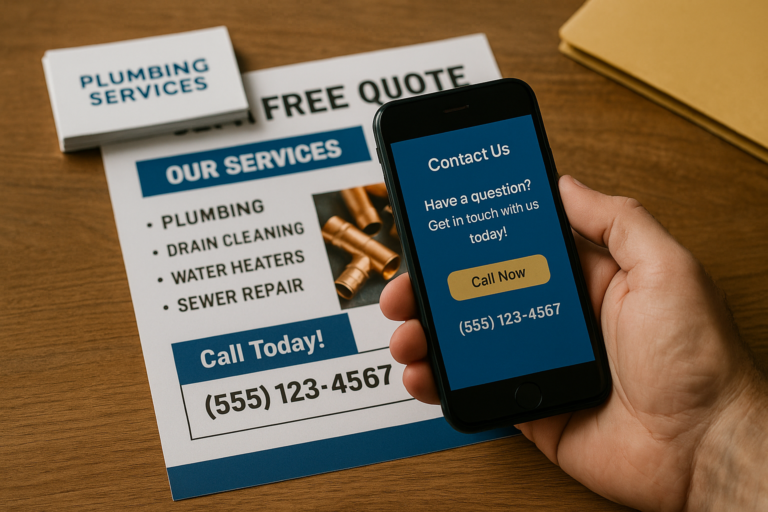
For example, a plumbing company’s homepage might mention residential service, commercial service, drain cleaning, water heaters, emergency calls, financing, testimonials, and service areas. That is helpful for general browsing. But if someone clicks a Google ad for “emergency water heater repair,” a dedicated page about emergency water heater repair is more likely to meet that visitor’s immediate need.
Landing pages align with visitor intent
One of the biggest reasons landing pages for service businesses work so well is message alignment. People click because something caught their attention: a service, a problem, a location, an offer, or a promise of help. Once they click, they want reassurance that they are in the right place.
When the headline, subhead, service details, and call to action all match the visitor’s intent, the page feels relevant. Relevance builds trust quickly.
Consider a few common scenarios:
- A law firm runs ads for personal injury consultations
- An HVAC company promotes AC repair before summer
- A cleaning business offers move-out cleaning in a specific city
- A roofing contractor creates a storm damage campaign after severe weather
- A web design company promotes redesign services for outdated business websites
In each case, a general homepage may be too broad. A dedicated page can speak directly to the situation, explain the service clearly, and present the next step in a way that feels timely and relevant.
This is one reason a lead generation landing page often outperforms a standard service page when the goal is to capture inquiries from a specific campaign.
Dedicated landing pages reduce distractions
Most business websites include navigation menus, footer links, blog categories, social icons, multiple service paths, and other elements that encourage exploration. Exploration is not always bad, but it can hurt conversion when the real goal is lead capture.
A landing page is usually more controlled. It removes unnecessary choices and keeps the visitor focused on one action, such as:
- Requesting a quote
- Booking a consultation
- Calling now
- Scheduling service
- Submitting a form
This is a core principle of conversion focused web design. The more clearly a page guides attention, the easier it becomes for a visitor to act.
Reducing distractions does not mean removing useful information. It means organizing information around the conversion goal. Visitors still need reassurance, but they should not have to dig through unrelated content to find it.
A strong landing page might include a clear headline, concise service benefits, trust-building details, proof elements, and a simple form. It may leave out the full site navigation, unrelated services, or deep educational content that belongs elsewhere on the website.
Landing pages improve paid ad performance
If a service business is running paid campaigns, especially search ads, landing pages become even more important. Google Ads landing page design affects not only conversion behavior but also overall campaign efficiency.
When someone searches for a highly specific service and clicks an ad, they expect the destination page to reflect that search. A focused page can support stronger ad relevance by matching the keyword theme, service description, and location language where appropriate.
That does not mean stuffing keywords into a page. It means building a coherent experience from keyword to ad to page to call to action.
For instance, if an electrical contractor runs an ad group for “panel upgrade service,” the best landing page would center on panel upgrades rather than sending traffic to a homepage or broad electrical services page. The page can explain signs a panel may need upgrading, what the service involves, and how to request an estimate.
This tighter alignment can help service businesses:
- Increase the chances that visitors stay on the page
- Improve lead quality by pre-qualifying prospects
- Reduce wasted clicks from confused users
- Create more accurate campaign testing and reporting
General websites often blur these signals because they present too many competing paths. A campaign-specific page gives marketers a cleaner environment to measure what actually drives inquiries.
They create a stronger service business website funnel
A service business website funnel is the path a prospect takes from awareness to inquiry. Without dedicated landing pages, that funnel is often inconsistent. Ads, emails, social posts, and local promotions may all send traffic to the same general page, even though the visitors arrive with very different needs.
Landing pages help organize traffic by intent. Instead of treating every visitor the same, businesses can build targeted entry points based on service, audience, problem, or stage of decision-making.
A simple funnel might look like this:
- A prospect searches for a specific service
- They click an ad or search result
- They land on a page dedicated to that service
- The page explains the value, process, and next step
- The visitor submits a form or makes a call
That path is easier to optimize because every step has a clear purpose.
Landing pages also support different funnel stages. Some pages may target ready-to-buy visitors with urgent needs. Others may target people who are comparing options and want more detail before reaching out. By separating these experiences, a business can better match content to intent.
Landing pages make local and niche targeting easier
Many service businesses do not sell one universal service to one universal audience. They serve different neighborhoods, industries, property types, or problem categories. A dedicated page allows a business to reflect those differences more clearly.
For example, a contractor may need separate messaging for:
- Residential versus commercial clients
- Kitchen remodeling versus bathroom remodeling
- One city versus another nearby service area
- Emergency service versus scheduled service
A general website can mention all of these, but a landing page lets the business speak directly to the most relevant audience. That can improve clarity and lead quality because visitors immediately see that the page was built for their situation.
This targeted approach is especially useful for businesses with multiple services that appeal to different customer motivations. Someone searching for same-day garage door repair is not in the same mindset as someone planning a full garage door replacement next month. Separate pages allow the business to reflect that difference.
They help qualify leads before the first conversation
Not every inquiry is a good fit. One hidden benefit of a good lead generation landing page is that it can filter and shape the type of leads that come in.
By explaining the scope of the service, expected process, areas served, and ideal use cases, a page can help visitors self-identify whether the business is right for them. That may reduce low-quality inquiries and make sales conversations more productive.
For example, a page can clarify:
- What service is offered
- Who it is intended for
- Which locations are served
- What the next step looks like
- What information should be submitted
If a business wants more qualified leads, clarity is often more valuable than broadness. A focused page can attract people who are more ready, more informed, and better matched to the service being offered.
Better testing leads to better decisions
Another major advantage of separate landing pages is the ability to test and improve performance without disrupting the main website.
On a standard website, many variables are mixed together. Different traffic sources, different services, and different user journeys all intersect on the same pages. That makes it hard to identify what changes are helping or hurting conversion.
With dedicated landing pages, a business can test specific elements more cleanly, such as:
- Headline wording
- Form length
- Call-to-action button text
- Service descriptions
- Trust elements like testimonials or credentials
- Page layout and mobile structure
This is one reason conversion focused web design is often paired with landing page strategy. The page becomes a controlled environment where small improvements can have measurable impact.
For service businesses spending money on advertising, this matters a great deal. Better testing supports better budget decisions because the business can see which message, service, or audience produces stronger inquiries.
What a high-performing service landing page should include
Not every landing page works simply because it exists. The page still needs to be useful, persuasive, and easy to act on. While the exact structure depends on the service and traffic source, several elements are commonly important.
A clear headline
The headline should confirm that the visitor is in the right place. It should reflect the service they were looking for and make the page’s purpose immediately obvious.
A practical subheading
The subheading can add context, explain the value, or reduce uncertainty. This is often where a business clarifies who the service is for or what happens next.
Strong service-specific content
Generic copy tends to underperform. A landing page should explain the actual service, common problems it solves, and why someone would choose to take action now.
Relevant trust signals
Visitors often need confidence before they submit a form or make a call. Depending on the business, trust elements may include years in business, project examples, client testimonials, licensing details, or service area information. These should be factual and appropriate.
A visible call to action
The next step should be obvious. Whether the goal is a quote request, consultation, or phone call, the page should not make visitors guess what to do.
Simple forms
If the form is too long or asks for unnecessary details too early, some visitors will leave. A shorter form often works better for first contact, especially on mobile devices.
Mobile-friendly structure
Many service inquiries happen on phones. The page should load quickly, display clearly, and make it easy to call or submit a form without frustration.
Common mistakes service businesses make with landing pages
Even businesses that understand the value of landing pages sometimes build them in a way that weakens results.
Sending all campaigns to the same page
If every ad, promotion, and email points to one generic destination, the page may be too broad to convert well. Match the page to the campaign whenever possible.
Using vague messaging
If the page does not immediately explain what service is offered and who it is for, visitors may leave before reading further.
Overloading the page with too much information
Landing pages should be focused. They need enough detail to build confidence, but not so much that the main action gets buried.
Ignoring mobile experience
Small buttons, long forms, cluttered sections, and slow load times can all reduce conversions, especially for urgent service searches.
Forgetting to measure results
A landing page should be tied to tracking so the business can understand calls, submissions, traffic sources, and page performance over time.
When a separate landing page makes the most sense
Not every website page needs to be a dedicated landing page. However, separate pages are especially valuable when:
- The business is running Google Ads or other paid campaigns
- A specific service has high value or strong demand
- The audience differs by location or industry
- The campaign promotes a seasonal or timely offer
- The business wants to improve inquiry volume for one service line
- The homepage is too broad for the visitor’s intent
In these cases, a separate page is often one of the simplest ways to improve message clarity and strengthen the path to conversion.
Why the main website still matters
None of this means a homepage or full website is unimportant. In fact, the main website remains essential for brand credibility, long-term SEO, broader service discovery, and customer research.
The point is not to replace the main website. It is to give the website a partner.
The website builds the full brand story. The landing page helps convert a specific visitor with a specific need. Together, they create a more complete digital strategy.
For many service companies, this combination works better than relying on one page to do everything. A website can educate and reassure, while landing pages create streamlined entry points for campaigns and high-intent traffic.
Conclusion
Service businesses often lose leads not because their services are weak, but because their online path to action is too broad, too confusing, or too disconnected from visitor intent. A dedicated landing page solves that problem by creating a focused experience built around one audience, one service, and one next step.
Whether the goal is better ad performance, improved lead quality, or a more effective service business website funnel, separate landing pages give businesses more control over how prospects move from interest to inquiry. They support clearer messaging, stronger relevance, cleaner testing, and a more direct conversion path than a general homepage can usually provide on its own.
For service companies that want their marketing to produce more than just traffic, landing pages are not a minor design choice. They are a practical part of turning attention into real business opportunities.